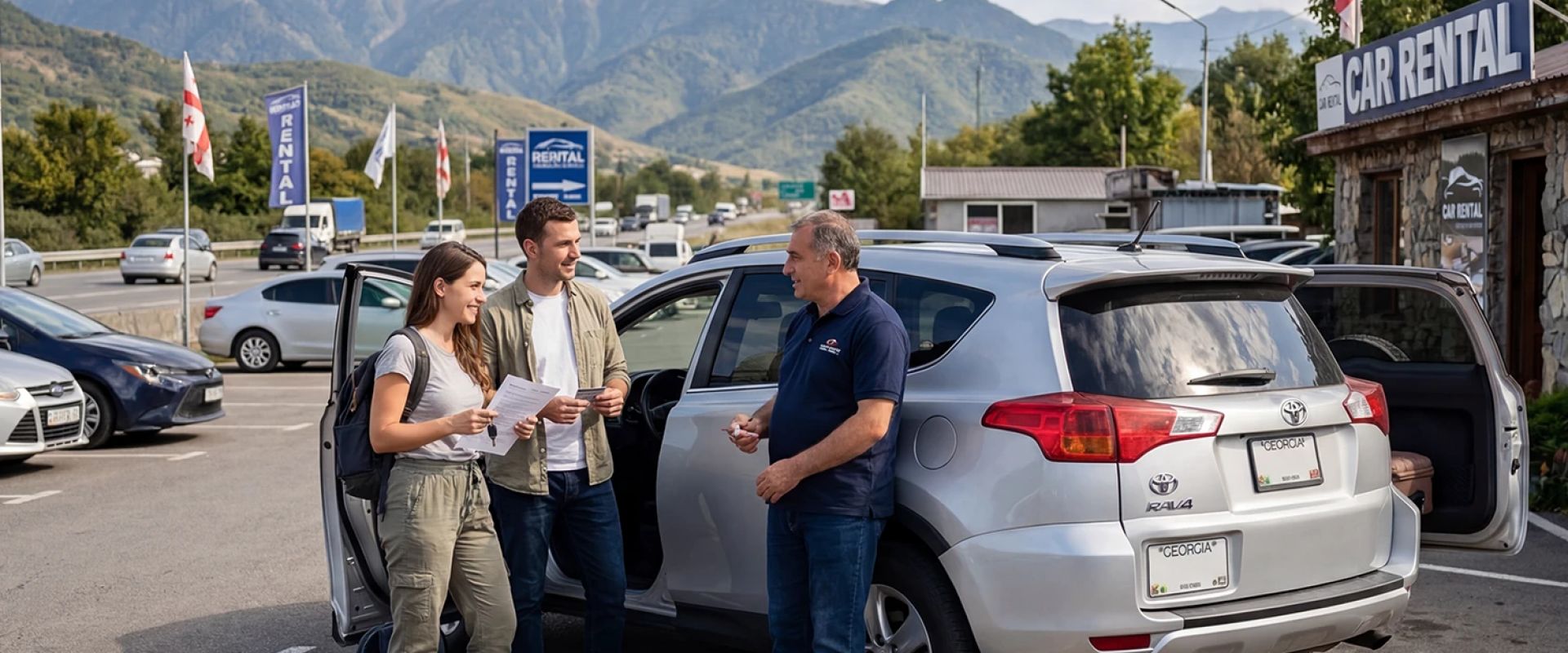
Planning a trip to Georgia and want to know how to approach car rental properly? It's a common questions for first time visitors considering some Georgian uncommon rules. Let's go step-by step through all the steps that you need to consider before making the best choice for your adventure. Renting a car in Georgia can turn a good trip into a brilliant one. Instead of planning your day around timetables, you can stop for viewpoints, take small detours, and reach places that are simply awkward (or very slow) by public transport. This guide is written to help you make smart choices before you book: which documents you need, what kind of car fits your route, how deposits and insurance really work, and what to expect on Georgian roads.
Key Takeaways
- Renting a car in Georgia gives travelers the freedom to reach remote mountain regions like Svaneti and Kazbegi and explore scenic routes at their own pace.
- Basic rental requirements typically include being at least 21 years old, having a valid driving licence (sometimes with an IDP), a passport, and a payment card for the deposit.
- The best vehicle depends on your itinerary: compact cars suit cities and highways, while AWD SUVs are essential for rough mountain roads.
- Local rental companies often offer advantages such as lower deposits, more flexible payment methods, and personalized meet-and-greet service at arrivals.
Why Renting a Car is the Best Way to Explore Georgia

Georgia is a country where the landscapes change fast: city streets, wine valleys, forest roads, high mountain passes, and the Black Sea coast can all fit into one holiday. A rental car gives you the flexibility to connect those places without stress.
Freedom to Reach Hidden Mountain Gems
Some of Georgia’s most unforgettable areas sit far from main transport lines, and even when there is transport, it may be infrequent or seasonal. With your own car, you can reach mountain regions like Svaneti and the Kazbegi area, and you can decide how long to stay in each village or viewpoint.
A great example is Ushguli, famous for its dramatic setting and medieval tower villages. Georgia’s national tourism site describes it as sitting at around 2,200 metres above sea level, which already tells you why weather and road choice matter.
Cost-Effectiveness for Groups and Families
For solo travellers, shared transport and tours can be fine. But for couples, families, or small groups, a rental often becomes the easier “one payment” solution: one vehicle, one plan, and shared costs. It also reduces the need for several private transfers (which can add up quickly when you pay per person or per ride).
Just as important, sharing the driving helps with fatigue. Many rental companies charge extra to add a second driver, so it’s worth looking for providers who include it in the base price.
Scenic Routes You Can Go at Your Own Pace
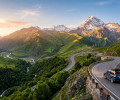
Georgia is full of “slow travel” roads where the journey is the highlight. One of the best-known is the Georgian Military Highway, a classic route into the mountains with famous stops and big views. Travel guides commonly describe it as roughly a 200-kilometre corridor connecting the capital region to the mountains around Stepantsminda.
With a rental car, you can start early to avoid traffic, stop for photos when the light is best, and take breaks whenever you want-without asking a driver to wait or worrying about missing the last minibus back.
Essential Requirements for Renting a Car in Georgia
This is the fast, practical part people search for: “What do I need to rent a car in Georgia?” Requirements can vary a bit by provider, but the basics are stable.
Age and Driving Experience Minimums
A common baseline is: you must be at least 21 years old, and you must have held your driving licence for a minimum period (often 2 years). Usually you are can expect to pay “young driver” charges if you are under these requirments.
Do You Need an International Driving Permit
For many travellers, the simple rule is: if your licence is easy to read internationally (especially if it uses Latin characters), you are usually fine. If it is not easy to read, you should bring an International Driving Permit (IDP) or an official translation, because police and rental companies may not accept a licence they cannot understand. We understand that it's a vague explanation, but there is no clear set of rules for this. The rule of thumb - if you have english text on your license and expiration date, you will be fine.
The safest approach, no matter where you are from:
- If your licence is not in Latin characters (or it is not clearly understandable), bring an IDP.
- Even if you think you do not need one, check your rental company’s rules before you fly-because you cannot always get an IDP once you are already abroad.
- If you're hesitant about it and planning to rent a car with us, feel free to write us a message at any time.
Required Documents at the Rental Counter
Most rental counters (and meet-and-greet handovers) will ask for the same core items:
- Passport
- Driving licence
- A payment card in the main driver’s name (often a credit card, depending on the company)
One practical reason travellers like local providers: payment flexibility. Most companies will accept debit card or cash. In our company you can pay in cash (USD/EUR/GEL), by any card and even any cryptocurrency, the same payment options apply to the deposit. This can be helpful if you do not have a credit card, or if you prefer not to put a large hold on one.
Understanding Security Deposits
A security deposit is not the same as the rental price. It is a temporary “safety buffer” that helps the rental company cover unpaid fines, missing fuel, or damage if there is no insurance/insurance with franchise. With many companies, the deposit is taken as a card authorisation (a hold), not a charge-meaning the money is blocked for a while.
Here is what this looks like with OG Drive, in plain terms:
- Cash deposit: In our company cash deposit is returned immediately when you return the car.
- Card deposit / pre-authorisation: card hold is cancelled the same day you return the car, but your bank may take up to 14 working days for the funds to appear as “available” again.
Tip: if you are travelling with a tight card limit, ask about the deposit before you arrive. It can affect how much you can spend on hotels and other bookings during your trip.
Choosing the Right Vehicle for Your Georgian Itinerary

In Georgia, “the right car” depends less on comfort and more on where you are going. A small car can be perfect for cities and highways, but it can become a headache in remote mountain areas with rough roads.
Sedans and Compacts for Tbilisi and Major Highways
If your plan is mainly cities and main roads-think Tbilisi → Kutaisi → Batumi, a sedan or compact car is often the best value. It is easier to park, cheaper on fuel, and comfortable on good roads.
If you're planning to do any side trips, you might consider to switch for compact SUV, like Hyuindai Venue or Ford EcoSport.
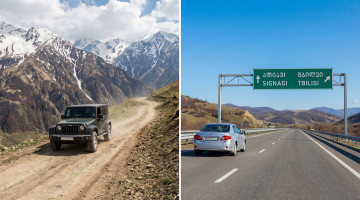
Why a 4x4 or SUV is Crucial for Mountain Regions
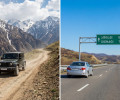
For most mountain regions, ground clearance and all wheel drive car is not a “nice extra” - they are what keeps the trip safe and realistic. This is especially true on rough tracks where potholes, stones, mud, or washouts are common so it would be nice to be in a proper AWD SUV, like Subaru Crosstrek or Hyundai SantaFE
One of the common example, is trip to Mestia and Ushguli. These rough track are unsuitable for regular cars, and it notes that many rental companies restrict certain dangerous mountain roads.
If you want a deeper breakdown, you can read our article on this matter:
Choosing Your Rental Company: Local Expertise vs. International Brands

In Georgia you will see both international names and strong local companies. The best option depends on your priorities: deposit size, payment flexibility, included insurance, delivery style, and local support.
The No-Hidden-Fee Advantage of Local Rentals
Many travellers choose local providers because they prefer straightforward “final price” offers-especially when insurance and a second driver are included.
For example, we always include full insurance with no deductible to every rental, free additional drivers, delivery to your address and child seats.
This does not mean every local company is the same. The key habit is simple: read what is included (insurance level, excess, tyres/glass coverage, second driver), or ask if something is not clear for you before you pay.
Avoid the High Security Deposit Trap
Large deposits are common in car rental worldwide, but they can feel especially painful on a travel card with limited funds.
To show how big this can be in Georgia, here are two real-world examples from well-known brands and policies:
- Enterprise’s location page for Tbilisi International Airport lists deposits of $500–$800 depending on vehicle category (and it also lists the excess amounts tied to CDW/TP).
- Europcar explains in its deposit FAQ that deposits can reach €1,500 for certain prestige categories.
Local companies usually charge much less, from 50$ to 200$.
Why Personalized Meet & Greet Beats the Airport Queue
After a flight, many people do not want a long queue, a slow desk process, and paperwork under bright airport lights.
A “meet & greet” handover is simpler: someone meets you at arrivals with the sign with your name, confirms your documents, and you start your trip without waiting
Support That Actually Knows Local Roads
When you drive in a new country, support quality matters. You want help from people who understand local roads, weather changes, and which routes are sensible for your vehicle.
If might be useful to have a 24/7 support from your local company which knows all the nuances of the country and could help you in stressful situation. They might also help with trip planning, not just car handover.
Ready for your Georgian trip? Your Perfect Car Awaits.
We at OG Drive are a local service to rent a car in Tbilisi and Georgia, offering a wide range of vehicles, from city cars to AWD SUVs. Book online in minutes with transparent pricing, full insurance, and unlimited mileage. We offer free delivery to your hotel or airport and provide fast, personalized support.
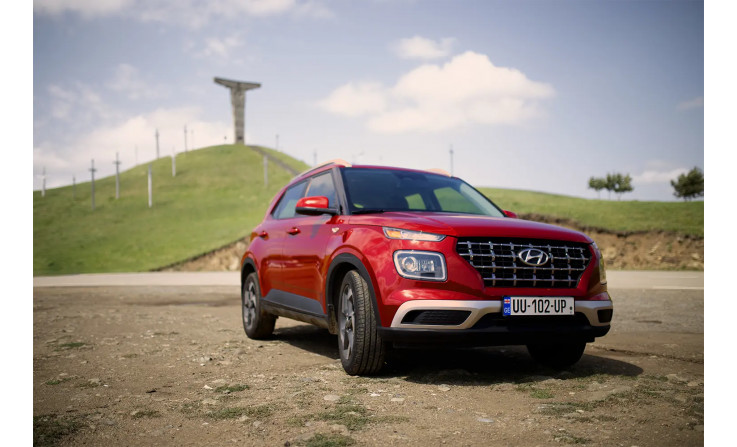
COMPACT SUV
Hyundai Venue
Price starts at $31/day
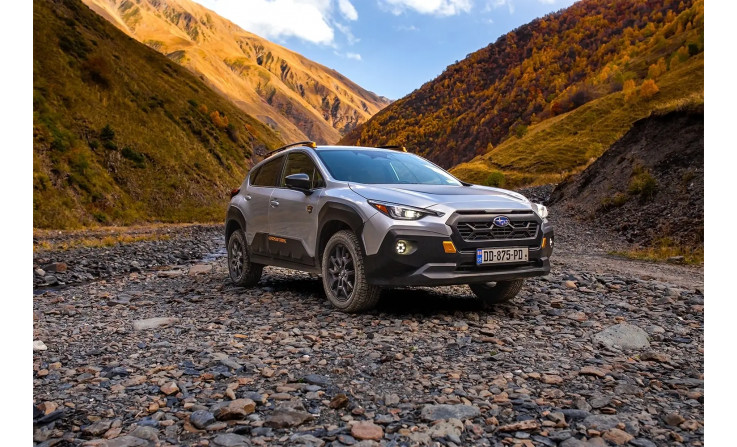
Off Road Jeep
Subaru Crosstrek
Price starts at $46/day
SUV
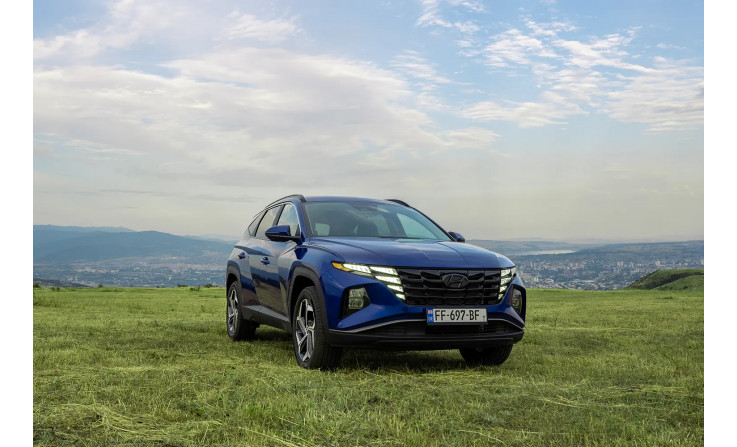
Hyundai Tucson
Price starts at $48/day
EV
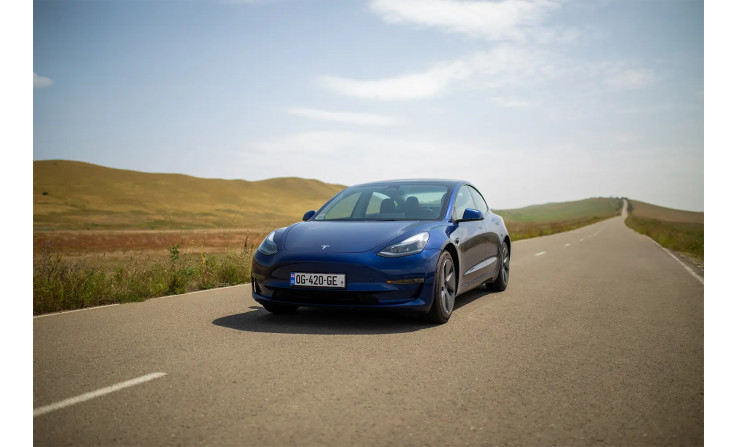
Tesla Model 3
Price starts at $51/day
Convertible
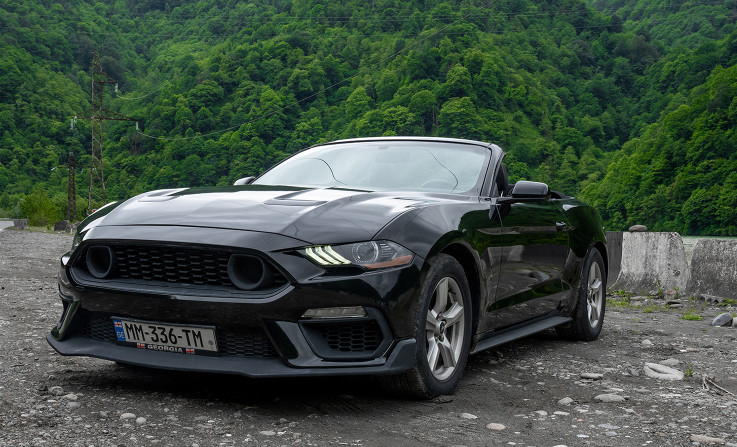
Ford Mustang
Price starts at $64/day
Insurance and Protection: Driving with Peace of Mind
Insurance language can feel confusing, but you only need to understand a few basic ideas: what is included, what you still pay if there is damage, and which situations can cancel the cover.
Standard Insurance vs. Full Coverage (CDW)
Most rentals include at least basic cover, but the level varies.
A clear example is TPL. It's a third party insurance that all car rental companies must have on their cars. It covers only the damage to third parties and does not covers the rented vehicle. Usually you will also see an optional CDW/Casco with or without franchise. Super/Full "insurance” package that removes that financial responsibility (as long as contract terms are followed).
In simple words:
- Basic cover usually means “the damage to third parties is covered, but you're responsible for the damage to the car"
- Standart cover (Casco/CDW) usually means “you are covered, with some franchise"
- Full/Super cover mean “you pay nothing if something happens,” but only if you follow the rules.
Off-Road Driving Restrictions
This is where many tourists make expensive mistakes.
In Georgia, some breathtaking places require driving on rough, unpaved roads. But many rental agreements treat these roads as “restricted” or “prohibited”-even if the car is AWD.
Localrent’s guide to prohibited routes states the key point very directly: insurance does not cover certain dangerous routes (especially unpaved mountain passes and roadless terrain), and damage becomes the renter’s responsibility.
So before you chase a “hidden waterfall” on a random track, do two checks:
- Is the road allowed in your contract?
- Is your vehicle suitable (clearance + tyres + drive system)?
What to Do in Case of an Accident or Breakdown
First: keep it simple and stay safe.
If there is danger, injuries, or a serious crash, call 112. Georgia’s Emergency Response Center explains that 112 is used for police, fire/rescue, and ambulance.
If something minor happened, contact your rental company first and listen to their instructions. Enterprise’s rental terms, for example, tell renters to report incidents without delay and not to make decisions alone without the rental company and police involvement.
Top Tips for a Smooth Car Rental Experience in Georgia
These tips are basic, but they prevent most holiday rental stress: disputes, unexpected charges, and “why didn’t anyone tell me?” moments.
Inspecting Your Vehicle Before Hitting the Road
Do not skip the inspection, even if you are excited and the weather is perfect.
Before you drive off:
- Take a quick video walk-around (include wheels and bumpers).
- Photograph any scratches, dents, or cracked plastic.
- Make sure the damage is documented.
Car Maintenance Standards in Georgia: What Drivers Should Know
If you plan to drive in Georgia, it is helpful to understand that many cars on the road are older vehicles. While many companies take good care of their cars, not everyone follows regular maintenance schedules. Because of this, you may sometimes see vehicles that are not in perfect technical condition. For this reason, it is always a good idea to quickly check your vehicle before starting a trip.
- One of the first things to look at is the tyre condition. Make sure the tyre tread depth is good and the tyres do not look too worn. Good tyres are very important for safety, especially if you plan to drive in the mountains or on wet roads.
- You should also look at the dashboard for warning lights or error messages when you start the car. If you see any warning lights related to the engine, brakes, or battery, it is best to check the issue before driving long distances.
- If you are planning a long trip across Georgia, it is wise to check a few additional things. Make sure the antifreeze (coolant) level is correct, especially if you are traveling through mountain areas where temperatures can change quickly.
- It is also important to check the brakes, including how the brake pedal feels and whether there are any unusual sounds when braking. Taking a few minutes to check these basic things can make your trip much safer and more comfortable.
Georgia has beautiful roads and landscapes, but some routes are remote, so it is always better to start your journey with a well-maintained car.
Understanding Fuel Types and Gas Stations
Most travellers will mainly see these fuel grades in Georgia: 92 (regular), 95 (premium), 98 (super), plus diesel. If you are unsure, check the sticker inside the fuel flap or ask the rental company, but most probably it's Premium (95).
A nice local detail: many stations have attendants. Localrent’s guide notes that you often do not need to leave your car-an attendant fills the tank, and you can pay by card. Georgian Travel Guide also notes that payment may be pre-pay with a cashier or sometimes after filling, and that smaller stations may require cash.
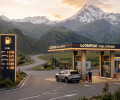
You will also find self-service stations in Georgia. For example, Wissol or Gulf, meaning you may sometimes need to fuel up yourself.
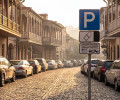
Parking Apps and Paying for Parking in Cities
City parking confuses many visitors, mainly because rules are local and signs are easy to miss.
In Tbilisi, the official Parking Tbilisi app is designed to pay zonal parking fees and manage parking sessions. It is listed both on Google Play, and in an Apple App Store. A municipal/transport source in Tbilisi has also described the app as a tool to pay zonal-hour parking and view parking locations.
A practical walkthrough from local reporting explains the usual flow: register, add your number plate, top up your balance, and select the correct zone when you park. Quite often tourists are complaining about the regestration process in the app. YIf you're struggling with document number - you can try to put any 9 or 11 digits in the field. You can also pay for the parking on the website of Bank Of Georgia.
In other cities, rules vary-so if you are unsure, ask your accommodation where guests normally park and whether there are paid zones nearby.
Why Booking in Advance is Highly Recommended
Georgia has strong seasonal travel patterns: summer for hiking and road trips, winter for skiing, and busy weekends around major holidays. Rental fleets are not infinite, so booking earlier gives you better choice and often better pricing.
Understanding Georgian Driving Rules and Road Conditions
This section is intentionally short, but it delivers the “read this first” promise: driving in Georgia is doable and often fun, but it has its own rhythm. For a detailed deep dive, you can read this article:
Navigating City Traffic in Tbilisi and Batumi
Batumi traffic can feel chaotic if you are used to strict lane discipline. Expect assertive merging and quick lane changes, especially during rush hour. The best practical approach: signal clearly, merge with confidence (not aggression), and use eye contact and courtesy gestures when possible.
Roundabouts and right-of-way can also feel unclear at first. If you are unsure, slow down, watch what others do, and avoid sudden moves.
Speed Limits and Speed Cameras
Speed enforcement in Georgia is strict and often automated.
Common speed limits are: 60 km/h in cities and villages, 90 km/h outside settlements, and 110 km/h on highways. Georgia heavily uses speed cameras (including the average speed one) and traffic surveillance, and fines can be issued automatically.
More about fines in Georgia:

The Reality of Georgian Mountain Roads
Mountain driving is where plans meet reality.
Mountain roads can include steep climbs, sharp hairpin turns, and sometimes drop-offs without guardrails. It also notes that while some mountain roads are paved, other routes are gravel or mud and may require AWD vehicle. Weather can quickly change road conditions through snow, rain, or landslides.
The UK FCDO adds similar caution: heavy rain, flooding, and snow at higher altitudes can affect roads and bridges and can make travel difficult or impossible in remote areas; it also notes that landslides are common.
So the smartest mountain rule is: drive slower than you think you need to, and never plan a tight schedule around long mountain days.
Watch Out for Livestock on the Highways!
This sounds like a joke until it happens to you. The UK FCDO warns directly that stray livestock can be a hazard on roads in Georgia. You can expect cows, sheep, and goats wandering onto rural roads.
In practice: if you see animals near the roadside, assume they may step into your lane. Slow down early, keep distance, and be ready to stop.
Summary
Renting a car in Georgia is one of the best ways to travel, especially if you want freedom in mountain regions, the ability to stop on scenic roads, and more control over your daily schedule.
Before you book, focus on the essentials: minimum age and licence history, whether you need an IDP or translation, what payment methods are accepted, and how the deposit is handled (including how long banks can take to release a card hold).
Choose the vehicle based on your route: sedans work well for cities and main highways, while SUVs/4x4s become important on rough mountain tracks where many contracts and insurance policies restrict access.
Finally, drive with calm confidence: speed cameras are common, mountain weather can change quickly, and even the highways can come with surprises like livestock. If anything goes wrong, remember that emergency help is reached via 112, and always contact your rental company for guidance.
Book your car with the best local car rental company now!
Choose the best car for your Georgian adeventure
No, it is possible to travel around Georgia using trains, minibuses (marshrutkas), and guided tours. However, renting a car gives you much more flexibility. Many of Georgia’s most beautiful destinations, especially mountain regions, are difficult to reach using public transport. Car rental prices in Georgia depend on the season, vehicle type, and rental duration. On average: Prices are usually higher in summer and during holidays. Booking in advance can help you secure better rates and ensure availability of automatic cars or SUVs. Yes, foreigners can legally drive in Georgia as long as they have a valid driving licence. If the licence uses Latin characters (for example from the EU, UK, USA, or many other countries), it is generally accepted. If your licence is written in a different script, you may need an International Driving Permit (IDP) or an official translation. Driving in Georgia can be an adventure! Drivers might be a bit more aggressive than you're used to, and you'll see cars in all sorts of conditions. It's best to drive defensively and stay alert, especially outside of cities. Driving at night on rural roads is generally not recommended due to unpredictable hazards. Most car rental companies require drivers to be at least 21 years old and to have held a driving licence for at least two years. Some companies may allow younger drivers but charge an additional young driver fee. Parking rules vary depending on the city. In Tbilisi, parking in many areas requires payment through the Parking Tbilisi mobile app. Some areas offer free parking, while others require hourly payment. Hotels and guesthouses often provide parking or can recommend nearby parking zones.FAQ
Do you need a car to travel around Georgia?
How much does it cost to rent a car in Georgia?
Can foreigners drive in Georgia?
Is it difficult to drive in Georgia?
What is the minimum age to rent a car in Georgia?
Is parking easy in Georgian cities?