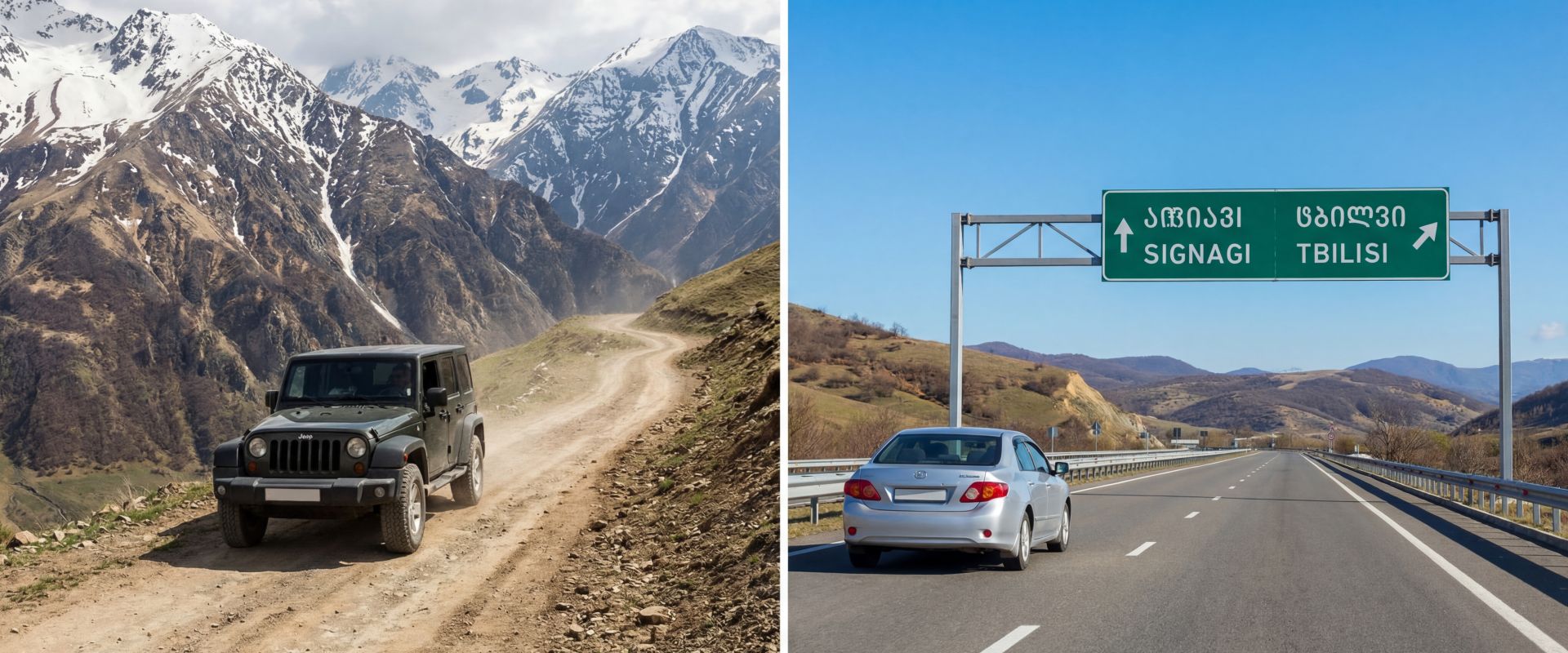
Planning a trip to Georgia and wondering if you need a big SUV or if a regular car will cut it? It's a common question, especially with Georgia's mix of city life and wild mountain landscapes. The roads have gotten way better over the years, which is good news for most travelers. But, depending on where you're headed and when you're going, your choice of vehicle can make a big difference. Let's break down the Sedan vs SUV in Georgia debate to help you pick the right ride for your adventure.
Key Takeaways
- For trips sticking to major highways and popular spots like Kakheti or Batumi, a standard sedan is perfectly fine. If you're going sideways, even to places like Borjomi and attractions around Kutaisi, SUV is a better choice.
- If your itinerary includes mountain areas, off-road trails, or travel during winter months, especially if you go to regions like Svaneti, an SUV is highly recommended for better clearance and traction.
- Georgian roads have improved significantly, making sedans suitable for a wider range of routes than in the past, but unexpected potholes and rough patches can still exist.
- Consider the season: winter travel often requires an SUV due to snow and ice, while summer trips might be manageable with a sedan unless you're venturing off highways.
- When renting, check vehicle age and condition carefully; older SUVs can be costly to fuel and may have mechanical issues, while newer cars often handle better on Georgian roads.
Assessing Your Georgian Travel Itinerary

Before you even start thinking about whether you need an SUV or if a standard sedan will cut it, the most important thing is to really look at where you're planning to go in Georgia and what you want to do. It's not just about the destination, but how you plan to get there and what you'll be doing once you arrive. Thinking this through will save you a lot of hassle and maybe even some money.
City Exploration Versus Remote Adventures
If your trip is mostly about soaking up the atmosphere in cities like Tbilisi, Kutaisi, or Batumi, a regular car is probably perfectly fine. You'll be sticking to paved streets, finding parking (sometimes a challenge, but doable), and generally sticking to the beaten path. However, if your goal is to explore the remote villages nestled high in the Caucasus mountains, discover some mountains attractions or to venture off into national parks where the roads are little more than dirt tracks, then you'll definitely want to consider something with more ground clearance and four-wheel-drive capability.
The Impact of Seasonality on Road Conditions
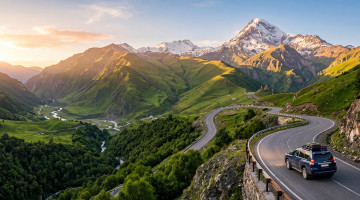
Georgia's weather can change dramatically, and this really affects the roads. Summer generally means dry conditions, making most roads accessible. But come autumn and winter, things get trickier. Rain can turn dirt roads into mud pits, and snow can make mountain passes impassable. The famous Georgian Military Highway, for example, can be closed for several days due to snow in winter. So, if you're traveling outside of the peak summer months, you need to be realistic about what kind of vehicle can handle potential snow, ice, or mud.
Duration of Your Georgian Road Trip
How long you're staying also plays a role. If you're just doing a quick loop around Tbilisi and maybe a short trip to a nearby wine region like Kakheti, a sedan will likely serve you well. But if you're planning a longer, more ambitious journey that covers a lot of ground, including some of those more challenging routes, you might appreciate the extra comfort and capability of an SUV, especially if you'll be spending many hours on the road. A longer trip might also mean encountering a wider variety of road conditions, making a more versatile vehicle a better choice.
Planning your route carefully is key. Don't just assume all roads are created equal. Some routes that look straightforward on a map can be surprisingly difficult in reality, especially if you're not in the right vehicle.
Sedan vs. SUV: Understanding the Differences
So, you're trying to figure out if you need a beefier SUV or if a standard sedan will cut it for your Georgian adventure. It really boils down to where you're planning to go and what you want to do. Let's break down what each type of vehicle brings to the table.
Economy Cars for Urban and Paved Routes
Think of economy cars as your go-to for city cruising and sticking to the main, well-maintained roads. These are the little guys, great for zipping around Tbilisi, Kutaisi, or Batumi. They're usually pretty good on gas, which is a nice bonus when you're trying to keep costs down. Plus, parking them in tight city spots? Way easier than wrestling a big SUV into a parallel spot.
- Pros:
- Better fuel economy.
- Easier to park in urban areas.
- Could be a bit cheaper, but not always the case.
- Cons:
- Limited ability on rough or unpaved roads.
- Lower ground clearance can be an issue.
- Smaller trunk space for luggage.
If your itinerary is mostly about hitting up popular spots like Kakheti or Batumi, and you're not planning any detours onto dirt tracks, a sedan is likely perfectly fine. You'll save money on fuel, and honestly, for most of the main highways, they handle just like any car back home. It's a solid choice for couples or small groups who aren't packing a ton of gear.
SUVs for Mountainous and Off-Road Excursions

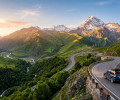
Now, if your plans involve heading into the mountains, like Svaneti or Kazbegi, or exploring national parks, an SUV starts to look a lot more appealing. These vehicles are built for tougher stuff. They have higher ground clearance, meaning they can handle bumps and uneven terrain without scraping the bottom. Many also come with all-wheel drive, which is a lifesaver if you encounter mud, gravel, or even snow, especially during the winter months on routes like the Georgian Military Highway.
- Key Features:
- Higher ground clearance for rough roads.
- Often available with all-wheel drive (AWD).
- More robust suspension for comfort on uneven surfaces.
- Generally offer more cargo space.
While an SUV offers more capability, it's important to remember they also come with more fuel consumption (usually aroun 10% more). For many travelers, the added cost is worth the peace of mind and access they provide to more remote areas.
Fuel Efficiency and Rental Costs Comparison
Let's talk numbers, because that's often a big factor. Generally speaking, economy cars are the clear winners when it comes to saving money. They sip fuel compared to their SUV counterparts, and their rental rates could be lower. An SUV, with its larger engine and heavier build, will naturally use more fuel, and you'll pay more upfront to rent it. For example, a smaller sedan might cost you around $120 for fuel on a longer trip, whereas a larger SUV could easily run up to $150-200 for the same journey. It's a trade-off: pay less for a sedan and stick to paved roads, or pay more for an SUV and gain the freedom to explore off the beaten path.
| Vehicle Type | Typical Rental Cost | Estimated Fuel Consumption | Best For |
|---|---|---|---|
| Sedan | Around 10% lower | Usually around 5-6l/100km | Cities, paved roads |
| SUV | Around 10% higher | Usually around 8-10l/100km | Mountains, off-road |
So, before you book, really think about your route. Are you sticking to the cities and major highways, or are you dreaming of remote mountain villages? Your answer will make choosing between a sedan and an SUV much clearer.
Navigating Georgia's Diverse Road Network
Okay, so let's talk about the roads in Georgia. It's not quite like driving back home, that's for sure. While things are getting better, you'll run into a mix of conditions that can really make you think about what kind of car you're driving.
The State of Georgian Roads: Improvements and Challenges
Georgia has been putting money into its roads, and you'll see that, especially on the main routes. There's a big east-west highway project finished, which is a game-changer for travel times between Tbilisi and Batumi. It's got a bunch of new bridges and tunnels, and it reduced the length of travel from 6-7 hours to just under 4 hours. Outside of these main arteries, the roads can be a bit of a lottery. Some are recently paved and smooth sailing, while others are riddled with potholes and unexpected speed bumps. Seriously, some of these speed bumps appear out of nowhere, with barely any warning paint. It’s a good idea to keep your eyes peeled and maybe even have a car jack handy, just in case.
Understanding Road Surface Variations
Don't be surprised when a perfectly paved road just… ends. Suddenly, you're on a gravel track, and it might stay that way for a while, even in small towns. Most of these gravel sections are manageable with a regular car, but you'll need to slow down considerably and be extra careful. Then there are the mountain roads. Some of these are rough, with big rocks, serious bumps, and signs of landslides. If you see other cars struggling or only rugged AWD on a particular path, it's a pretty clear sign to turn back if you're in a sedan. Sometimes, the road is barely wide enough for one vehicle – definitely an AWD situation.
Seasonal Road Closures and Their Impact
Weather plays a big role here. High mountain passes can get cut off during winter, usually from late May until October, depending on the snow. Roads like the one to Kazbegi can close for short spells in winter. If you're planning a trip to a place like Svaneti in the colder months, you should always choose a proper SUV. Spring and early summer can bring floods and landslides, which can wash out roads and leave villages isolated for days. It's wise to check official sources for road closures before you head out. We can also help you, just drop us a message.
Driving in Georgia requires a certain level of adaptability. While major routes are improving, venturing off the beaten path means you'll encounter a wide range of road surfaces and conditions. Always have a backup navigation app, like Yandex Maps or Waze, as Google Maps can sometimes send you down non-existent roads.
- Paved Highways: Generally good, especially the newer sections. Still, watch for unmarked speed bumps.
- Gravel Roads: Common in rural areas and some towns. Drive slowly and cautiously.
- Mountain Tracks: Can be very rough, rocky, and steep. Often require 4WD, especially in bad weather or winter.
- Seasonal Issues: Winter snow and spring/summer rain can cause closures and hazardous conditions.
Remember, driving styles can be aggressive, so staying alert and defensive is key, no matter what vehicle you're in.
Key Considerations for Renting a Vehicle
Alright, so you've decided to rent a car for your Georgian adventure. That's a smart move, giving you the freedom to explore at your own pace. But before you just click "book" on the first thing you see, there are a few things to keep in mind. It's not super complicated, but paying attention to the details can save you headaches and maybe even some cash.
Vehicle Age and Maintenance
This is a big one, especially in Georgia. You'll notice a lot of cars on the road look like they've been through a lot. Many rental cars are older imports, and while they might run, they've definitely seen better days. It's generally a good idea to aim for a car that's no more than five years old. Newer cars tend to have fewer issues, and honestly, you're less likely to run into unexpected problems when you're out in the middle of nowhere. If you can't find that, at least try to get a feel for the car's condition from the photos and description. Don't be afraid to ask questions about maintenance history if you can.
Ready for your Georgian trip? Your Perfect Car Awaits.
We at OG Drive are a local service to rent a car in Tbilisi and Georgia, offering a wide range of vehicles, from city cars to AWD SUVs. Book online in minutes with transparent pricing, full insurance, and unlimited mileage. We offer free delivery to your hotel or airport and provide fast, personalized support.
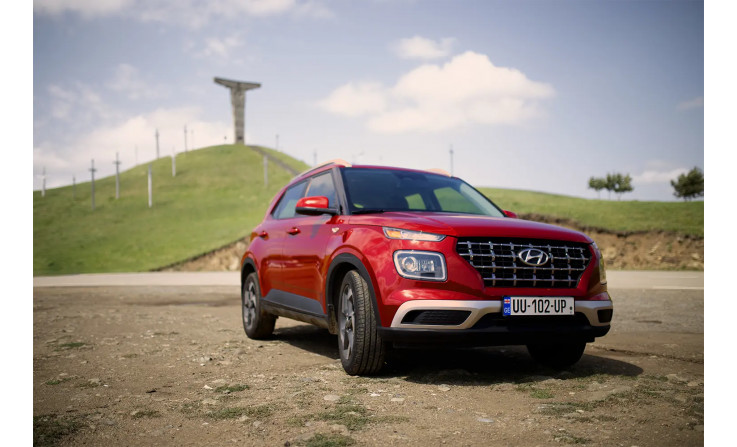
COMPACT SUV
Hyundai Venue
Price starts at $31/day
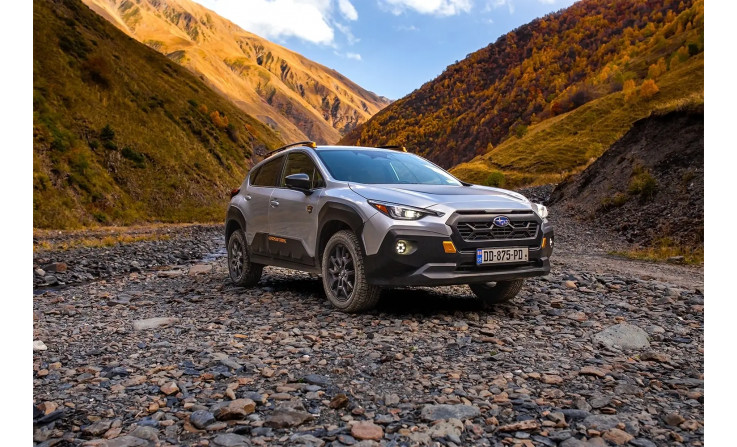
Off Road Jeep
Subaru Crosstrek
Price starts at $46/day
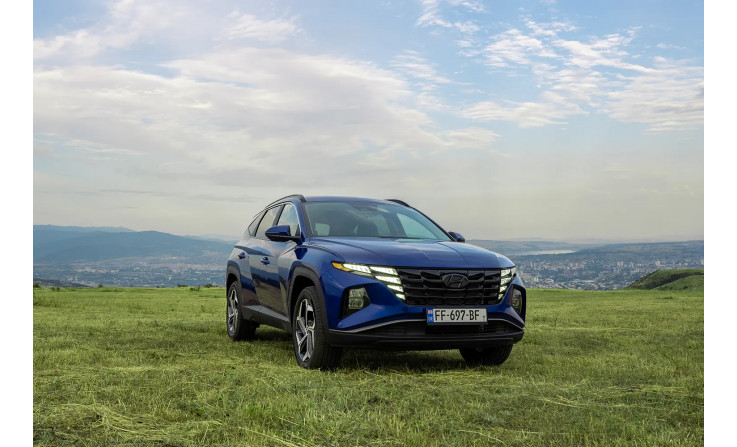
SUV
Hyundai Tucson
Price starts at $48/day
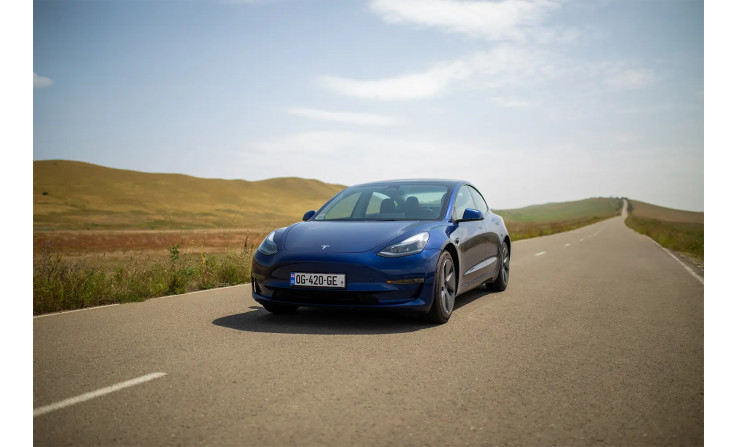
EV
Tesla Model 3
Price starts at $51/day
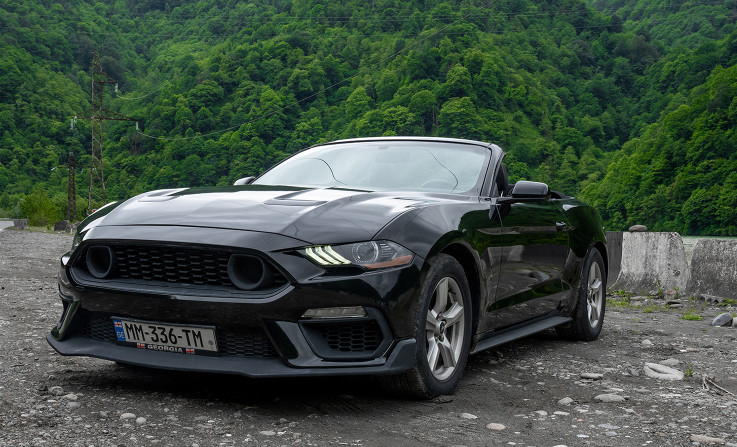
Convertible
Ford Mustang
Price starts at $64/day
Insurance, Deposits, and Rental Agreements
This is where things can get a little murky if you're not careful. Always, always read the fine print on the rental agreement. Pay close attention to what kind of insurance is included. Sometimes, the base price looks great, but the insurance is minimal. You'll also want to understand the deposit situation. Some companies require a significant hold on your credit card, which can tie up your funds for weeks. Others, especially local ones found through aggregators, might offer no-deposit options and accept cash deposits. Remember to take photos and videos of the car's condition before you drive off – every scratch, every dent. This protects you if there's any dispute later.
Here's a quick look at typical deposit requirements:
| Rental Company Type | Typical Deposit | Payment Method |
|---|---|---|
| International Brands (Hertz, Avis) | $300 - $1000+ | Credit Card |
| Local Georgian Companies | $0 - $300 | Cash or Credit Card |
Choosing Between Local and International Rental Companies
This is a classic trade-off. International companies often have more standardized processes, but they can be pricier. You'll likely need a credit card for the deposit. On the other hand, good local Georgian companies, often could provide you with a good vehicle, for lower price and can be significantly cheaper and more flexible. They might not require an International Driving Permit, and some even let you pay in cash. However, the cars maintanance depends on the company, so do your research before choosing the one. Supporting local businesses is a nice bonus too. It's worth comparing prices and terms from both types of providers to see what fits your budget and needs best.
When picking up your car, always do a thorough walk-around. Check the tires, lights, and look for any obvious damage. It's better to spend an extra 10 minutes doing this than to be surprised by a charge later. Also, make sure you know how to operate any specific features of the car, like the heating or air conditioning, before you leave the lot.
When a Sedan Suffices for Your Georgia Trip

So, you're planning a trip to Georgia and wondering if you really need to rent that big, bulky SUV. For many travelers, the answer is a resounding no. A standard sedan can absolutely handle a significant portion of what Georgia has to offer, especially if your itinerary leans towards the more populated areas and well-maintained routes. Think of it this way: if you're not planning on tackling the rugged mountain passes or venturing deep into remote, unpaved territories, a smaller, more economical car is likely your best bet.
Comfortable Travel on Major Highways
Georgia's main arteries have seen some serious upgrades over the years. The highways connecting major cities like Tbilisi, Kutaisi, and Batumi are generally in good condition. Driving a sedan on these routes is perfectly comfortable and efficient. You'll find that most of the time, you'll be cruising along smooth asphalt, making for a relaxed journey. This is especially true if you're sticking to the main roads and avoiding smaller, less-traveled paths. It's a much more budget-friendly option too, both in terms of rental cost and fuel consumption.
Visiting Popular Destinations Like Kakheti and Batumi
Many of Georgia's most beloved spots are easily accessible with a sedan. The Kakheti region, famous for its vineyards and wine production, is largely serviced by paved roads. While some smaller wineries might have slightly rougher access roads, the main routes are fine. Similarly, the popular sea town Batumi and its surrounding are well within reach of a standard car. You won't need a 4x4 to enjoy the botanical garden or lovely beaches of these areas. For these kinds of trips, a sedan is more than adequate.
When an SUV Becomes Essential
Accessing Remote Mountainous Regions
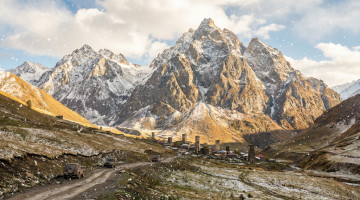
So, you're dreaming of those epic mountain vistas, right? Maybe you've got Svaneti or Kazbegi on your must-see list. If that's the case, forget about that little sedan. An SUV is pretty much non-negotiable for these kinds of adventures. The roads up there can be, well, let's just say they're not exactly paved with gold. We're talking dirt tracks, loose gravel, and some seriously steep inclines. A standard car just doesn't have the ground clearance or the power to handle it. You'll find yourself getting stuck or, worse, damaging the vehicle. Plus, the trunk space in most sedans is pretty limited, which is a bummer if you're packing for a week or more.
Winter Travel
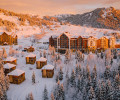
If you're coming to Georgia to visit Ski Resorts, is a whole different ballgame. Snowfall can transform already challenging routes into something truly treacherous. While the main highway is usually kept clear, conditions can change rapidly. An SUV, particularly one with all-wheel drive and proper winter tires, offers a much higher level of safety and control. Trying to navigate icy passes or deep snow in a regular car is asking for trouble. You'll want that extra traction and higher ride height to feel confident.
Exploring Off-Road Trails and National Parks
Georgia is packed with incredible national parks and natural wonders that often lie off the beaten path. Think Tusheti or parts of Borjomi-Kharagauli National Park. These areas are where the real adventure lies, but they also demand a vehicle that can handle rough terrain. An SUV is built for this. Its robust suspension and higher stance mean you can tackle uneven ground, rocky paths, and muddy sections without constantly worrying about scraping the undercarriage. It opens up a whole new level of exploration, letting you reach viewpoints and trailheads that are simply inaccessible to regular cars. Remember, renting a newer vehicle is always a good idea to avoid unexpected breakdowns, especially when you're far from civilization.
- Ground Clearance: Essential for avoiding damage on rough, unpaved roads.
- All-Wheel Drive (AWD): Provides better traction on slippery surfaces like mud, snow, or loose gravel.
- Robust Suspension: Designed to absorb shocks from uneven terrain, making the ride more comfortable.
- Increased Cargo Space: Usually offers more room for luggage, camping gear, or sports equipment.
When you're planning to venture beyond the main cities and highways, especially into the mountains or during winter months, the added capability of an SUV isn't just a luxury; it's often a necessity for safety and accessibility. Don't let a lack of proper wheels limit your Georgian adventure.
Sometimes, a regular car just won't cut it. Whether you're hauling gear, taking the whole family on a trip, or just want that extra bit of space and comfort, an SUV can make all the difference. It's not just about luxury; it's about practicality and making your journey smoother. Ready to see how an SUV can fit your needs? Visit our website to explore our SUV rental options today!
So, Do You Need That Jeep?
Alright, let's wrap this up. After looking at all the roads, the mountains, and the general vibe of driving in Georgia, it seems like a big, fancy SUV isn't always a must-have. For most of your trip, especially if you're sticking to the main roads or exploring cities like Tbilisi and Batumi, a regular sedan or a smaller crossover will totally do the trick. They're easier to park, use less gas, and honestly, the roads have gotten a lot better. Now, if you're planning on hitting some seriously remote spots, especially in the winter, or tackling those super bumpy mountain tracks, then yeah, an SUV with some clearance might give you more peace of mind. But for the average traveler just wanting to see the sights at their own pace? You're probably good with something a bit more standard. Just plan your route, and you'll figure out what fits best.
Book your car with the best local car rental company now!
Choose the best car for your Georgian adevntuew
For most trips, especially if you're sticking to main roads and popular spots like Kakheti or Borjomi, a regular car or sedan is perfectly fine. Roads have gotten much better. You'd only really need an SUV if you plan to explore super remote mountain areas or drive in winter conditions, particularly on mountain passes. You can rent from big international companies or local agencies. Local companies often offer better prices and sometimes have more flexible terms, like no deposit or no credit card needed. It's smart to book in advance, especially during peak season, and always inspect the car thoroughly and take photos before you drive off. Georgia's roads have improved a lot, especially the main highways. However, you'll still find some rough patches, potholes, and unpaved sections, especially once you get off the beaten path. Some mountain roads can be quite challenging, particularly after bad weather. Driving in Georgia can be an adventure! Drivers might be a bit more aggressive than you're used to, and you'll see cars in all sorts of conditions. It's best to drive defensively and stay alert, especially outside of cities. Driving at night on rural roads is generally not recommended due to unpredictable hazards. Usually, no. If your driver's license is in Latin letters (like English), most rental companies in Georgia will accept it. However, it's a good idea to check with your rental company beforehand, and it might be useful to have a notarized translation if you plan a very long stay or encounter any issues with the police. Passport, and driver's license. Usually the minimum age is 21 with 2 years driving experience. Spring and fall offer pleasant weather for driving and exploring. Summer is popular but can be hot. Winter can bring snow and ice, especially in the mountains, which can make some roads impassable or require a 4x4 vehicle. Always check road conditions if you're traveling in winter.FAQ
Do I really need a 4x4 or SUV to drive in Georgia?
What's the best way to rent a car in Georgia?
What are the roads like in Georgia?
Is it difficult to drive in Georgia?
Do I need an International Driving Permit (IDP) to rent a car?
What documents do you need to rent a car in Georgia?
When is the best time of year to drive in Georgia?